An online getting-to-know each other webinar series to introduce each project partner and case study neighbourhood.
In April and May '24, we organised a series of webinars, with the aim of introducing all project partners and case study neighbourhoods.
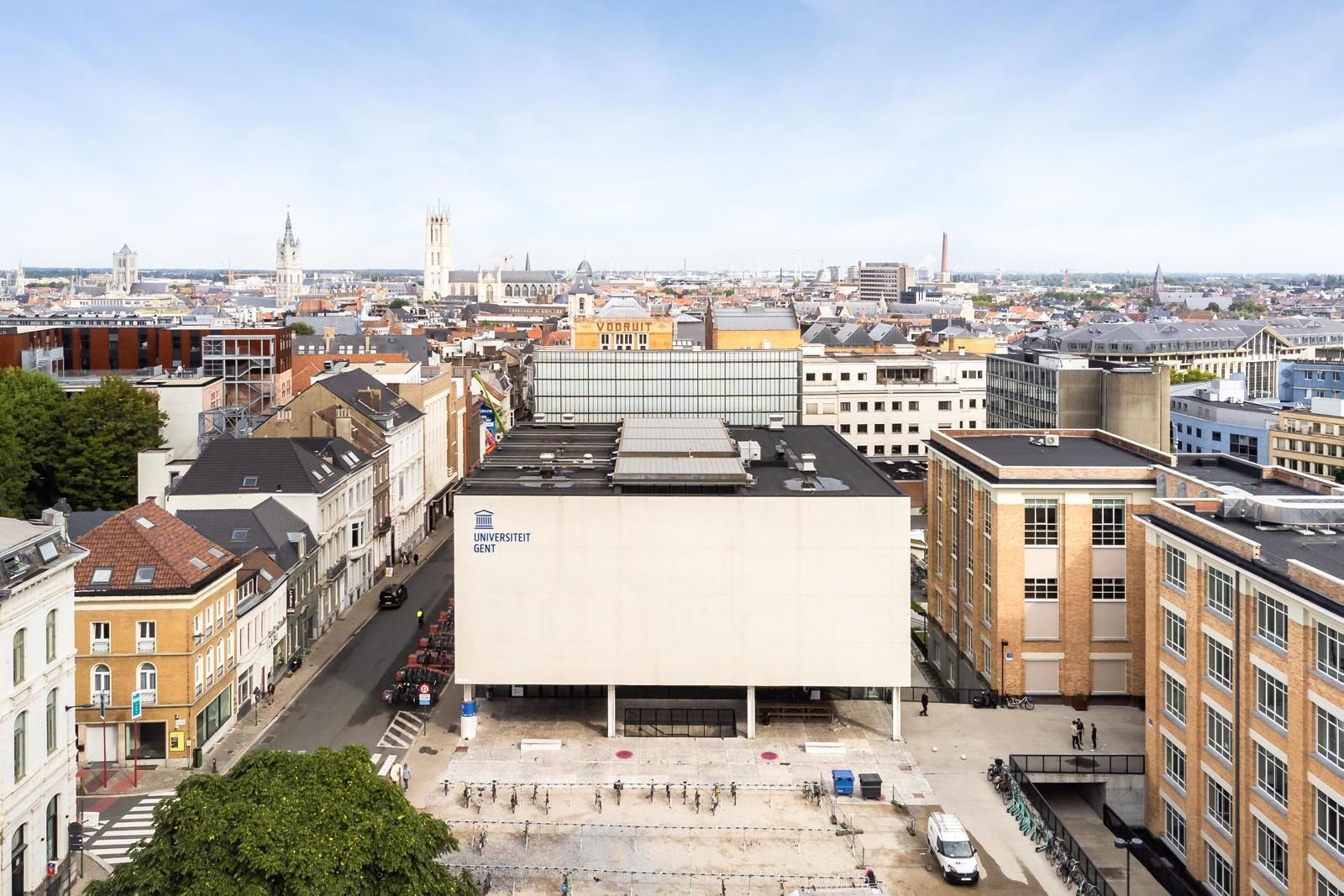
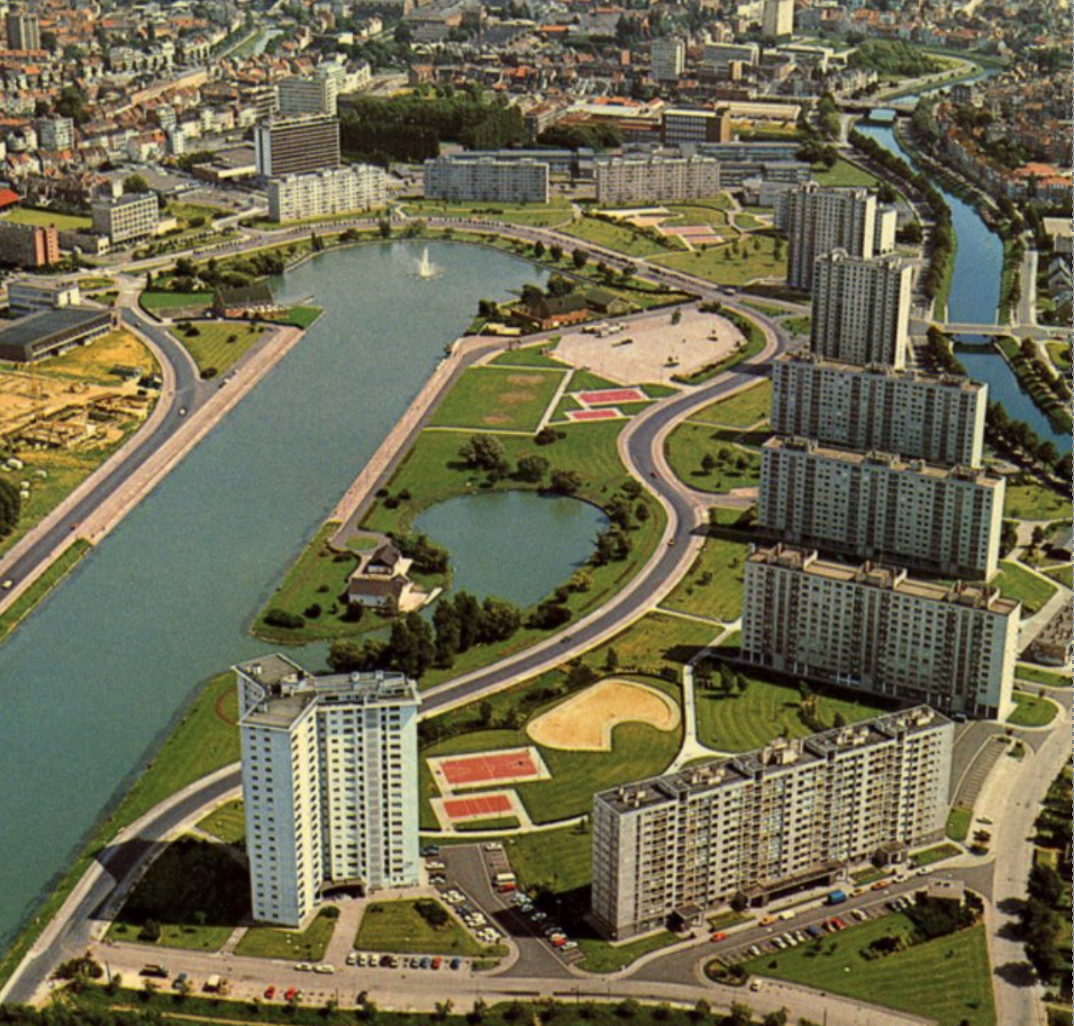
Belgium kicked off the series. The city of Ghent introduced both Ghent neighbourhoods which have clearly distinct morphologies and key stakeholders: from high-rise social housing and large institutional sites around the Watersportbaan, to mixed and fragmented urban fabric in Sluizeken-Tolhuis-Ham. Ghent university and Endeavour presented their conceptual approach which is to identify opportunities for collective action around energy. We mostly remember the challenge in Watersportbaan to connect social housing inhabitants with the planned large-scale transformation of their neighbourhood and the potential introduction of a district heating system between the institutional players. For Sluizeken a key question is how we can connect with the ongoing transformation of the neighbourhood through small-scale renovations, large development projects and public interventions. Portugal followed with an introduction of the Matosinhos and Vila Nova de Gaia neighbourhoods, two public housing ensembles in different stages of a thorough renovation trajectory. University of Aveiro introduced their conceptual approach of co-evolution between community and institutional stakeholders. A key lesson was how historical processes of resettlement have defined these neighbourhoods but also offer valuable lessons about institutional evolution.
During the Estonian webinar, the cities of Valga and Kohtla-Järve presented two intriguing cases, one a shrinking border town with a cross-border location and collaboration, the other a former oil shale industrial centre. Tartu university offered a reflection about the challenge to connect technological innovation with a challenging socio-economic context. It is striking how a context of shrinking population requires to rethink completely how we can imagine renovation, urban transformation and investment. Last in line were the Dutch partners, with an introduction of two neighbourhoods in Utrecht by the city's stakeholder managers for each case. Utrecht university presented an approach focused on collective, inclusive visioning. Their aim is to analyse ongoing visioning processes, identify points of intervention and develop alternative visioning techniques. Interestingly, we are at a key moment in the process of making Overvecht 'aardgasvrij' because a deal with the district heating network operator was recently called off, perhaps an opportunity for an alternative visioning process? Meanwhile, in Ondiep the exploration of fossil-free strategies has only just started. Above all, these moments of exchange were not only a great way to discover each of the case studies and explore their differences and similarities. They also showed the engagement of each partner to contribute to inclusive and sustainable neighbourhood transformations, and generated a lot of energy for further collaboration.