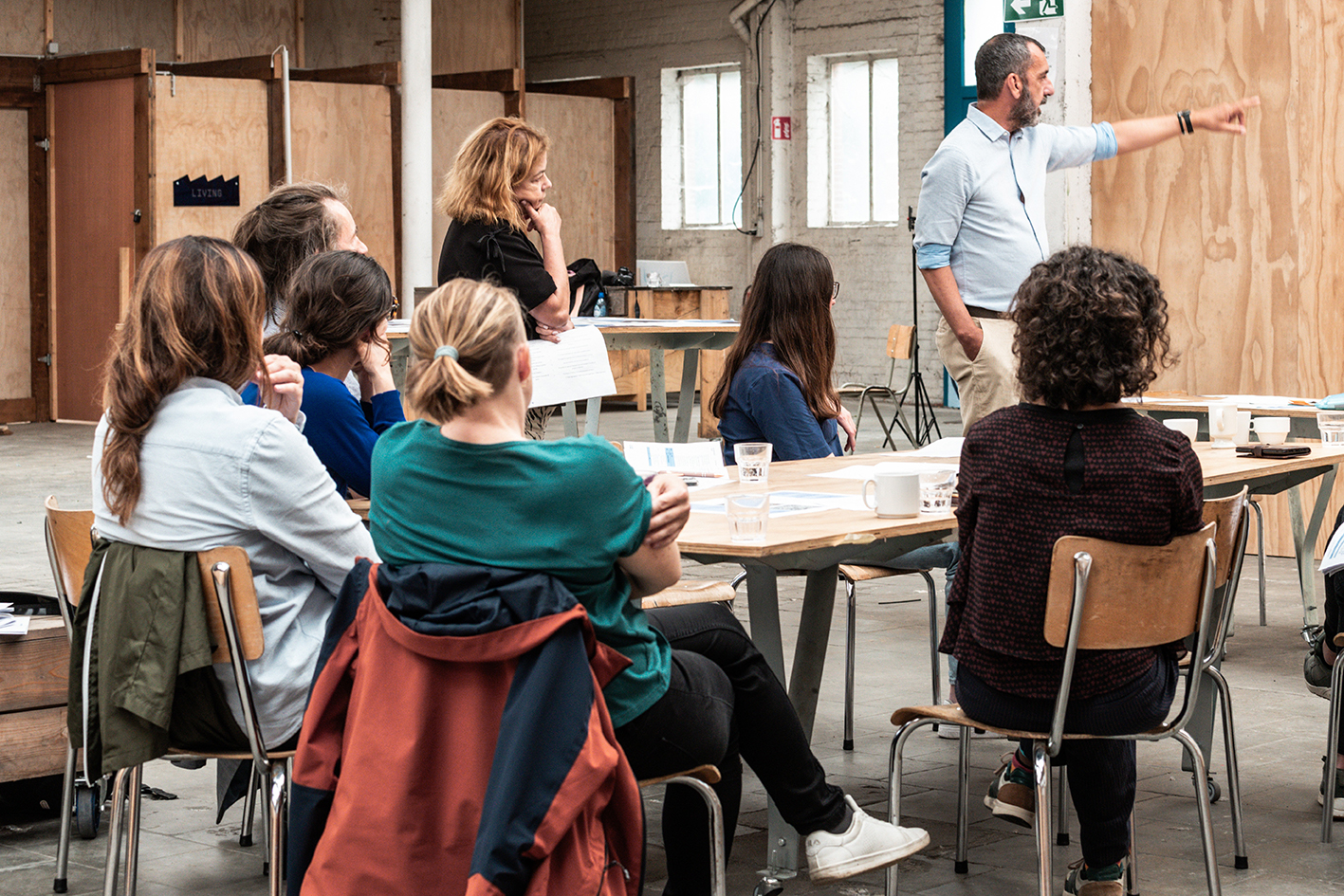
From 4–6 July, the CO2PED LAB in Ghent brought together researchers from the CO2PED teams in the Netherlands, Belgium, Portugal, and Estonia, along with city officials and local organisations, for three days of workshops, neighbourhood visits, and tool testing. Together, they explored how Positive Energy Districts (PEDs) can support just and inclusive energy transitions in vulnerable urban areas.
We hosted the first CO2LAB of the CO2PED project in Ghent—an international exchange moment of collaboration where research met reality and the CO2PED tools were tested on two case study neighbourhoods, Sluizeken-Tolhuis-Ham and Watersportbaan.The CO2PED project explores how Positive Energy Districts (PEDs) can be developed in underprivileged urban neighbourhoods through inclusive, community-driven processes. With partners from Belgium, the Netherlands, Portugal, and Estonia, we came together for a lab of hands-on experimentation, fieldwork, and knowledge exchange between international expertise and local realities.Together, our consortium aims to tackle just energy transitions through four tracks: Track 1: Inclusive visioning (Utrecht University, Netherlands); Track 2: Bottom-up PED actions (Ghent University & Endeavour, Belgium); Track 3: Public–community co-evolution (Aveiro University, Portugal); Track 4: Innovation ecosystems (Tartu University, Estonia).
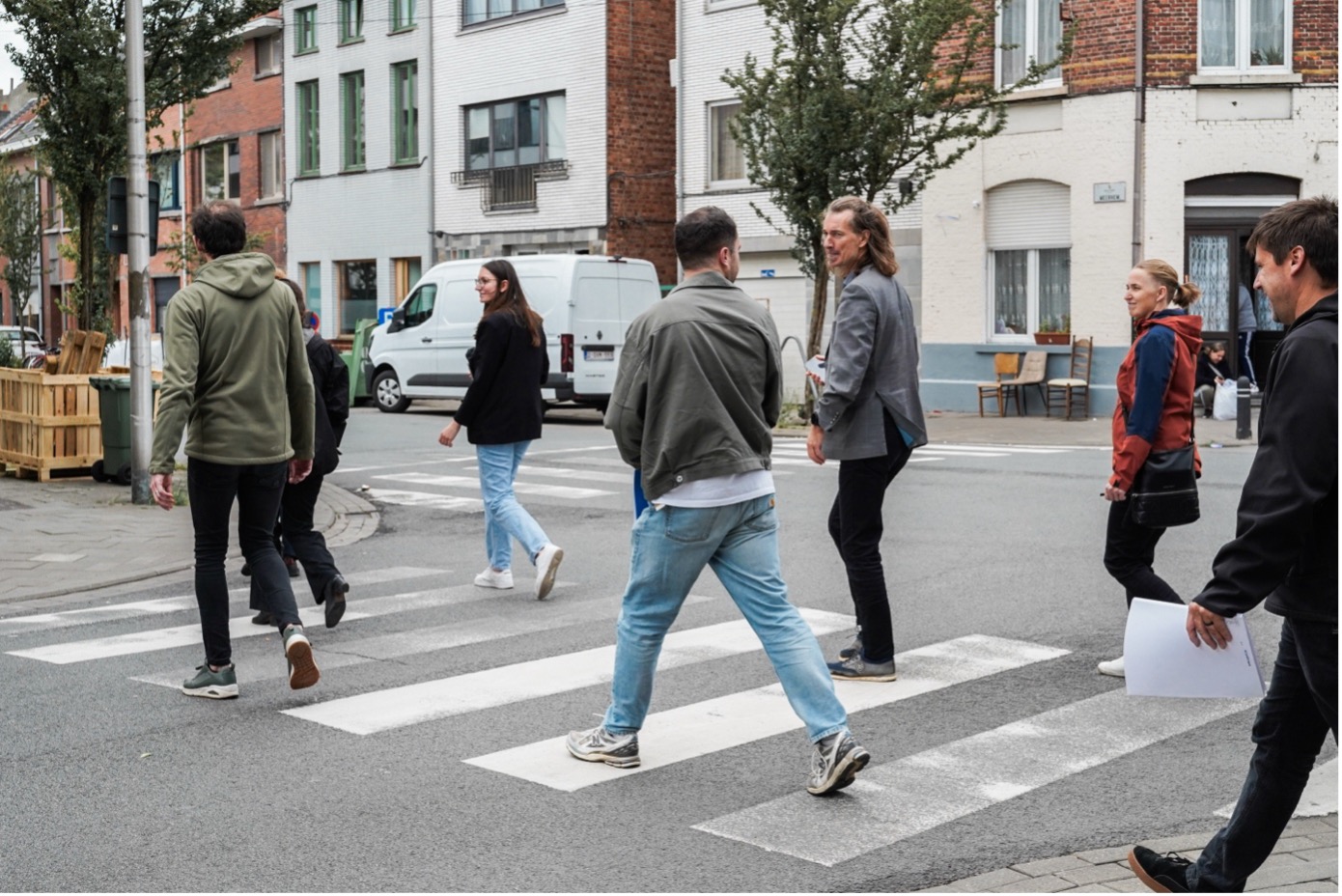
DAY 1 - Exploring Watersportbaan: We kicked off the CO2LAB in Watersportbaan, a green and spacious area dominated by modernist high-rise housing. During a neighbourhood walk, participants explored how the area’s spatial features intersect with social and energy-related challenges. We discussed the upcoming large-scale renovations, questions of affordability and ownership, and the future of high-rise living in a changing climate.In the afternoon, the team from Utrecht University hosted a workshop focused on Collective Inclusive Visioning. Drawing from their work in Overvecht, they presented three “visioning conundrums” that challenge typical planning approaches: the dominance of economic and technological narratives; weak use of allegory and storytelling, and tokenistic participation.Lab participants then applied these themes to the Watersportbaan context through group exercises. One group explored the loss of symbolic storytelling in the area, contrasting today’s reality with the hopeful promotional postcards once used to market the neighbourhood. Others reflected on the complexity of involving residents in long-term visioning when many may be relocated in the near future. Another group tackled tensions between large-scale renovation needs of the neighbourhood with local implementation, considering what the best approach is for this transition challenge in Watersportbaan. Through back-casting, groups envisioned alternative futures for Watersportbaan rooted in daily life, shifting the focus from abstract targets to lived experience.
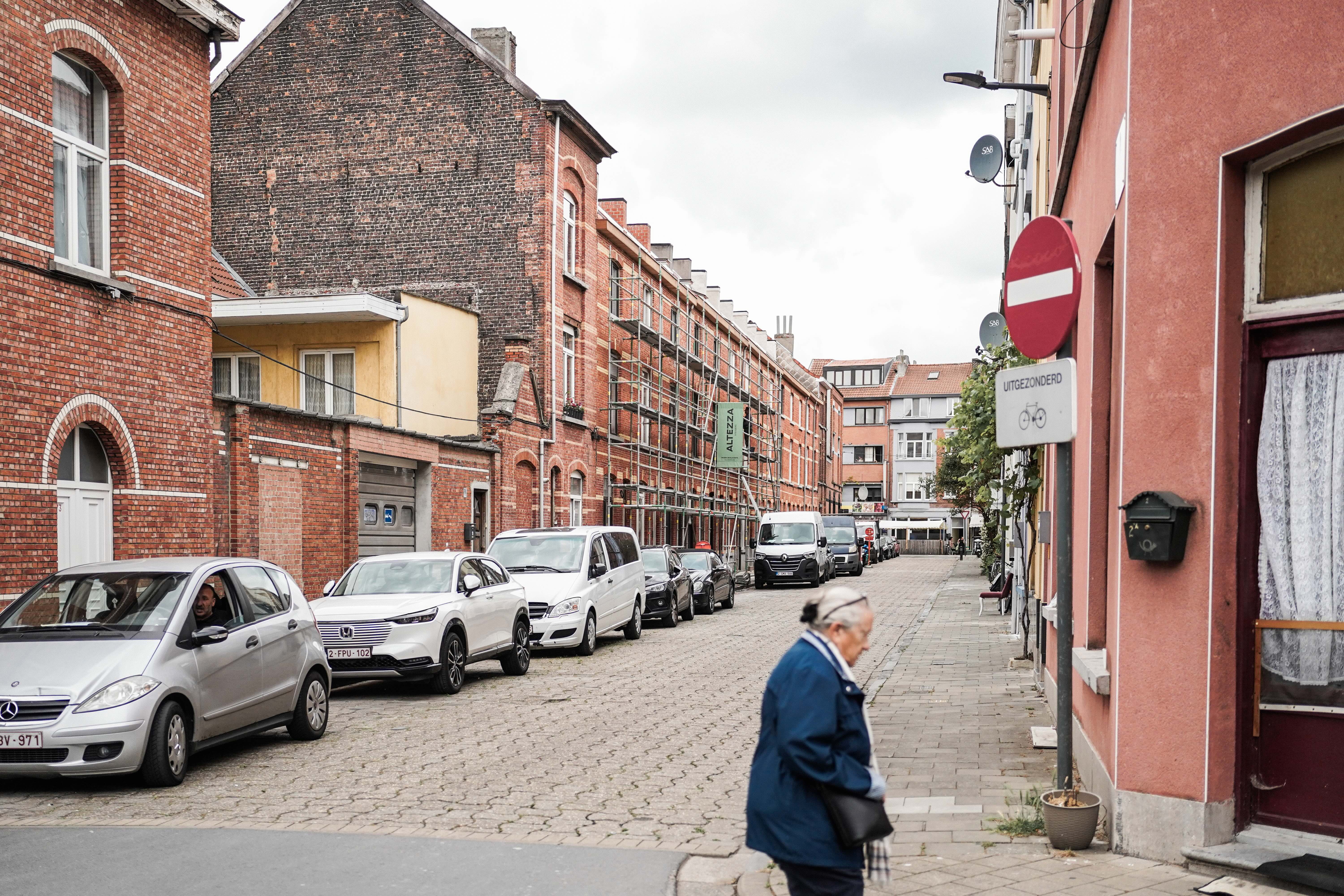
DAY 2 - Two Workshops in Sluizeken-Tolhuis-Ham: Day two took us to Sluizeken-Tolhuis-Ham, a dense, multicultural 19th-century neighbourhood. In the morning, Ghent University and co-design cooperative Endeavour led a workshop on bottom-up transition actions, inviting local organisations to explore how their ongoing work could intersect with energy transition goals. Focusing on four key sites in the neighbourhood, participants discussed how socio-cultural partners, often already trusted by the community, could act as anchors for more inclusive and locally meaningful energy strategies. A dynamic speed-date session with international examples then helped draw connections between energy, community values, and urban space.After a neighbourhood walk to discover the neighbourhood during lunchtime, we returned for the second workshop of the day, hosted by University of Aveiro (Portugal). This session focused on co-evolution indicators, researching how to assess the relationship between communities and public authorities in the PED context. Participants piloted a set of scorecards, moving beyond technical metrics to consider quality buildings, interface spaces and public space. The aim: to evaluate both the relevance and adaptability of these indicators in different contexts but also to better understand how governance and co-evolution can be measured and improved. The day concluded with an inspiring public lecture by Thijs van Spaandonk titled “A Just Energy Transition: From Top-Down Schemes to Neighborhood Realities.” He challenged the one-size-fits-all logic of today’s energy transition plans and made a powerful case for starting with the specificities of local context—ownership models, building typologies, and community dynamics—as a foundation for systemic change.
Research met reality as international teams, local organisations, and residents came together in Ghent to co-create pathways for just and inclusive energy transitions.
DAY 3 - Wrapping Up the CO2LAB with a last workshop and reflective session: On the final day, we gathered at Ghent University for a workshop led by University of Tartu (Estonia). This session explored how to monitor innovation in PEDs, not just technological, but also policy and social innovation, and how to benchmark progress across cities and systems. Participants tested a range of urban monitoring tools, focusing on how energy and urban transitions intersect with the social domain. A key ambition was to develop a transition management checklist that is both adaptable and replicable across diverse contexts.
After a last lunch togehter, we wrapped up the CO2LAB with a reflection session to exchange insights, lessons, and next steps. The energy, openness, and collective intelligence of the group confirmed the value of this in-person moment of co-creation. What’s Next?
This first lab marked a critical milestone in testing and refining the CO2TOOLKIT—our evolving set of tools and methods to support inclusive, replicable PED strategies. Next up is the second CO2LAB, which will take place in Utrecht, where we will once again test the toolkit in a new context and neighbourhood. These labs are key moments of international knowledge co-production, helping us iterate the tools, enhance their usability, and ensure they reflect the diverse realities across Europe.